• Skip to primary navigation
  • Skip to main content
  • About
  • Recipes
    • Indigenous Recipes
  • Work
    • Diabetes Care
    • UBC Learning Circle
    • Youth Resources
    • Food Is Medicine Cooking Show (ISPARC)
  • Indigenous Resources
  • Gyetk
  • Connect
  • Instagram – Rachel Dickens

Food is Medicine

You are here: Home / Archives for

May 10, 2021

Fried Herring Roe On Kelp With Soy Sauce
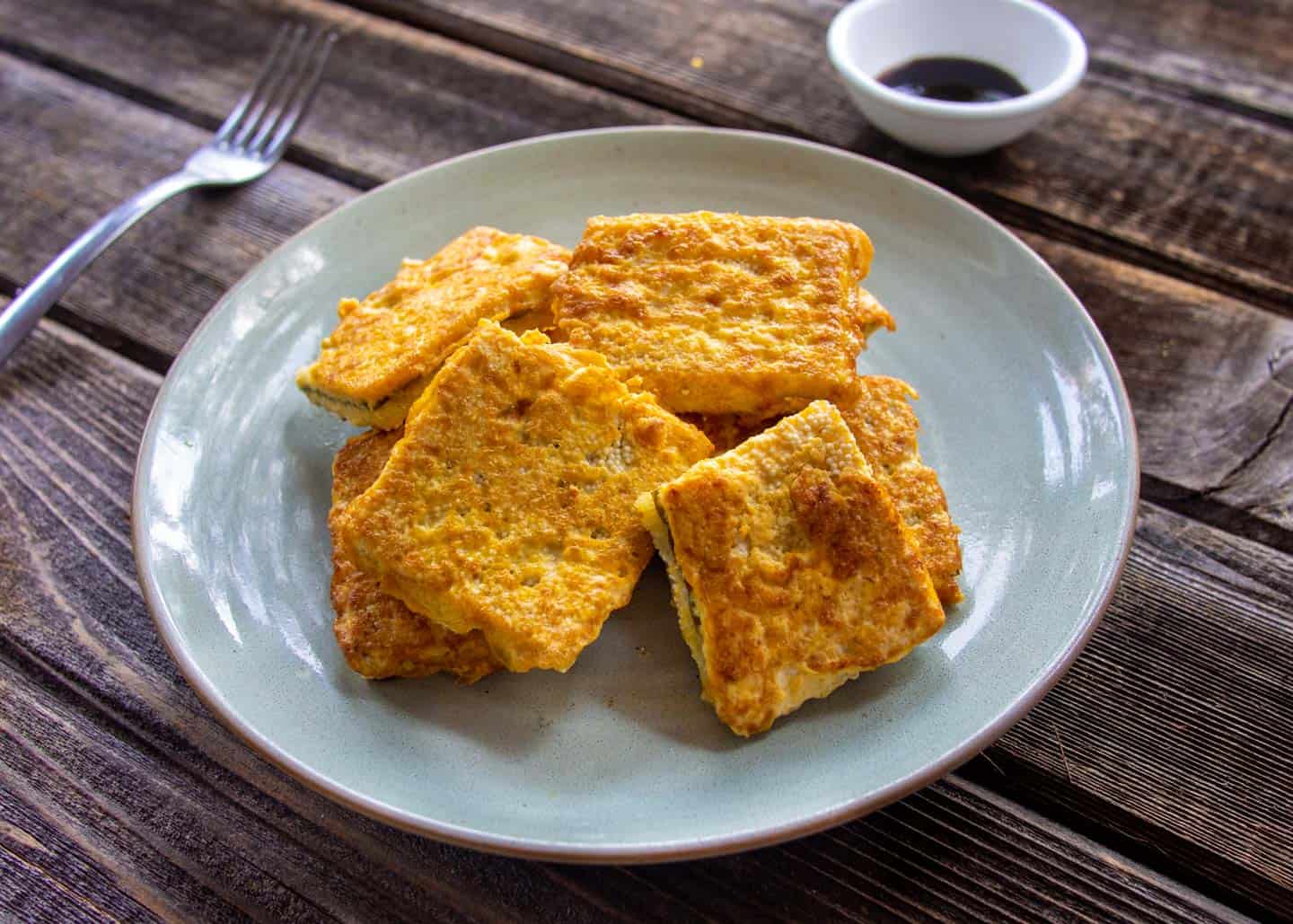
Friend herring roe on kelp on blue plate

  Along the Pacific Northwest Coast, herring spawn each Spring on water plants such as kelp or eelgrass. Some First Nations, including the Nuu-chah-nulth, harvest herring roe on hemlock branches, which offers a slight tannin flavour to the roe. My favourite way of enjoying this special food is roe spawned on giant kelp which is…

Read More

November 5, 2020

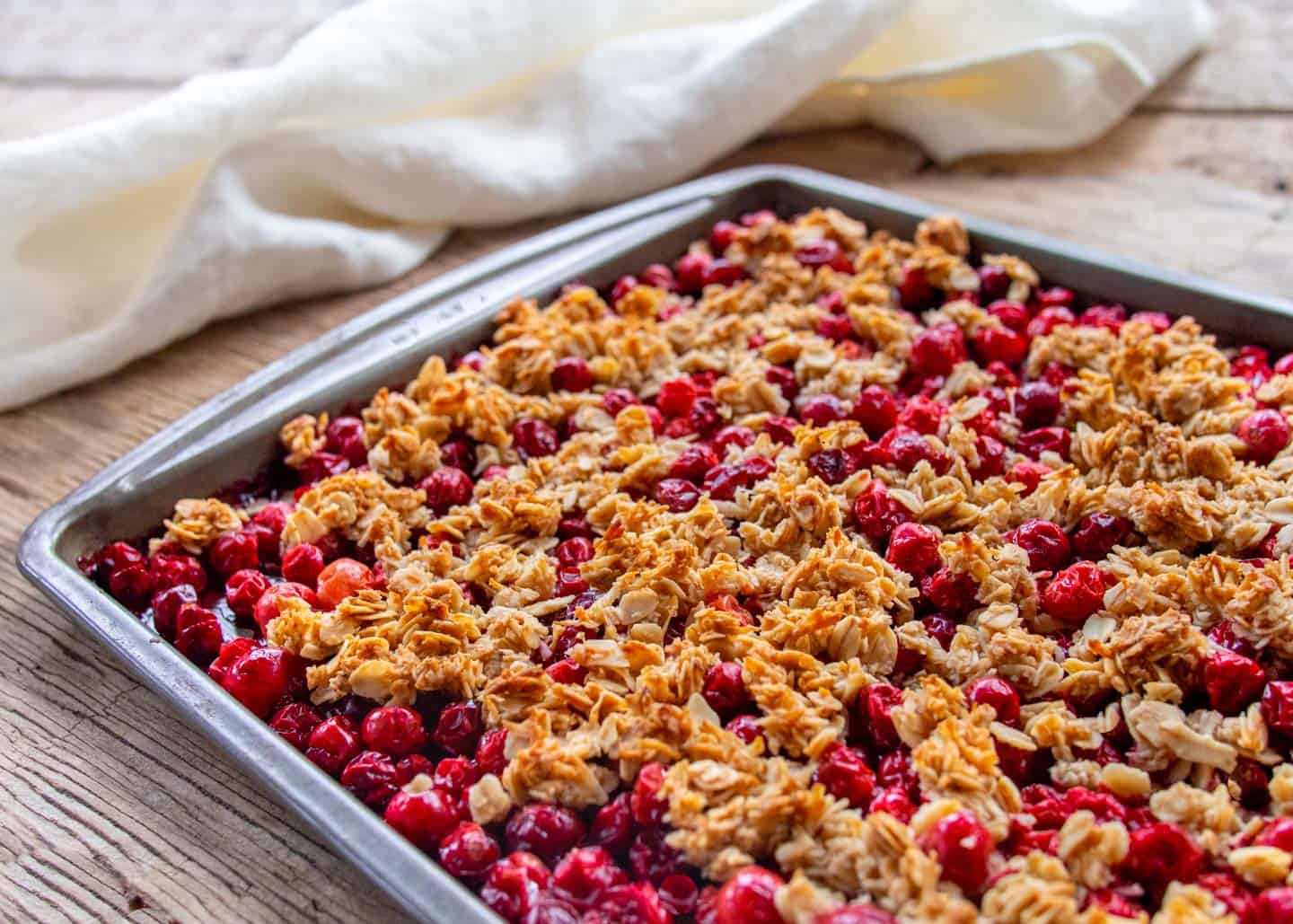
Ahousaht Oat & Honey Cranberry Crisp | 5 Ingredients

Cranberry crisp on grey tray

This healthy cranberry crisp is inspired by our shared wellness meals in Ahousaht, a community on the Northwest coast of modern-day Vancouver Island. While the recipe highlights the traditional low-bush wild cranberries if you don’t have access to them, any type of cranberry will do. One of the highlights of this recipe is the simple…

Read More

May 24, 2020

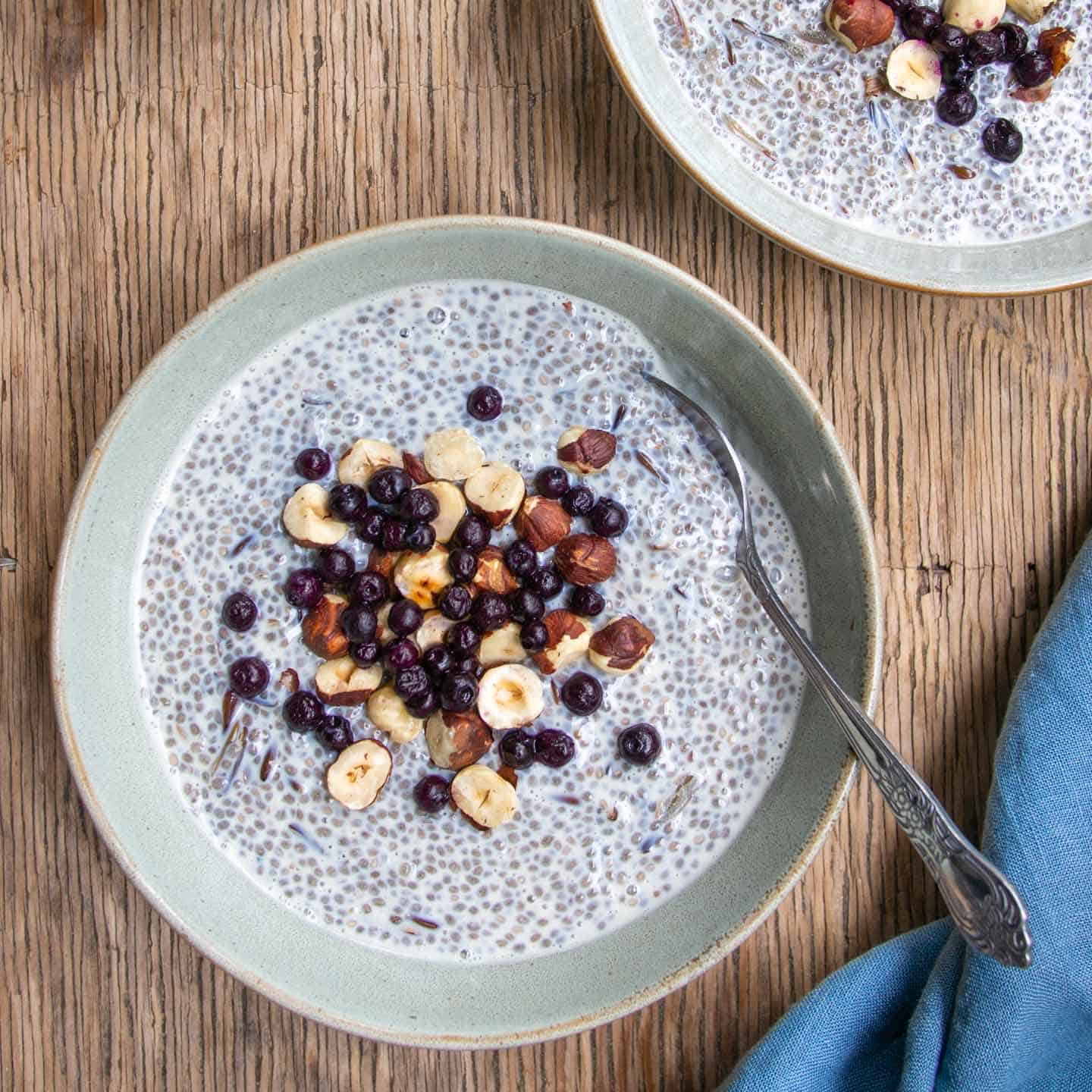
Chia Pudding with Wild Rice, Maple Syrup and Hazelnuts

This fun twist on the classic chia seed pudding celebrates Indigenous ingredients, including antioxidant-rich wild rice, berries and hazelnuts. Many people are not aware that, along with wild rice, berries, and maple syrup, hazelnuts are Indigenous to what we now know as Canada.

Read More

January 15, 2020

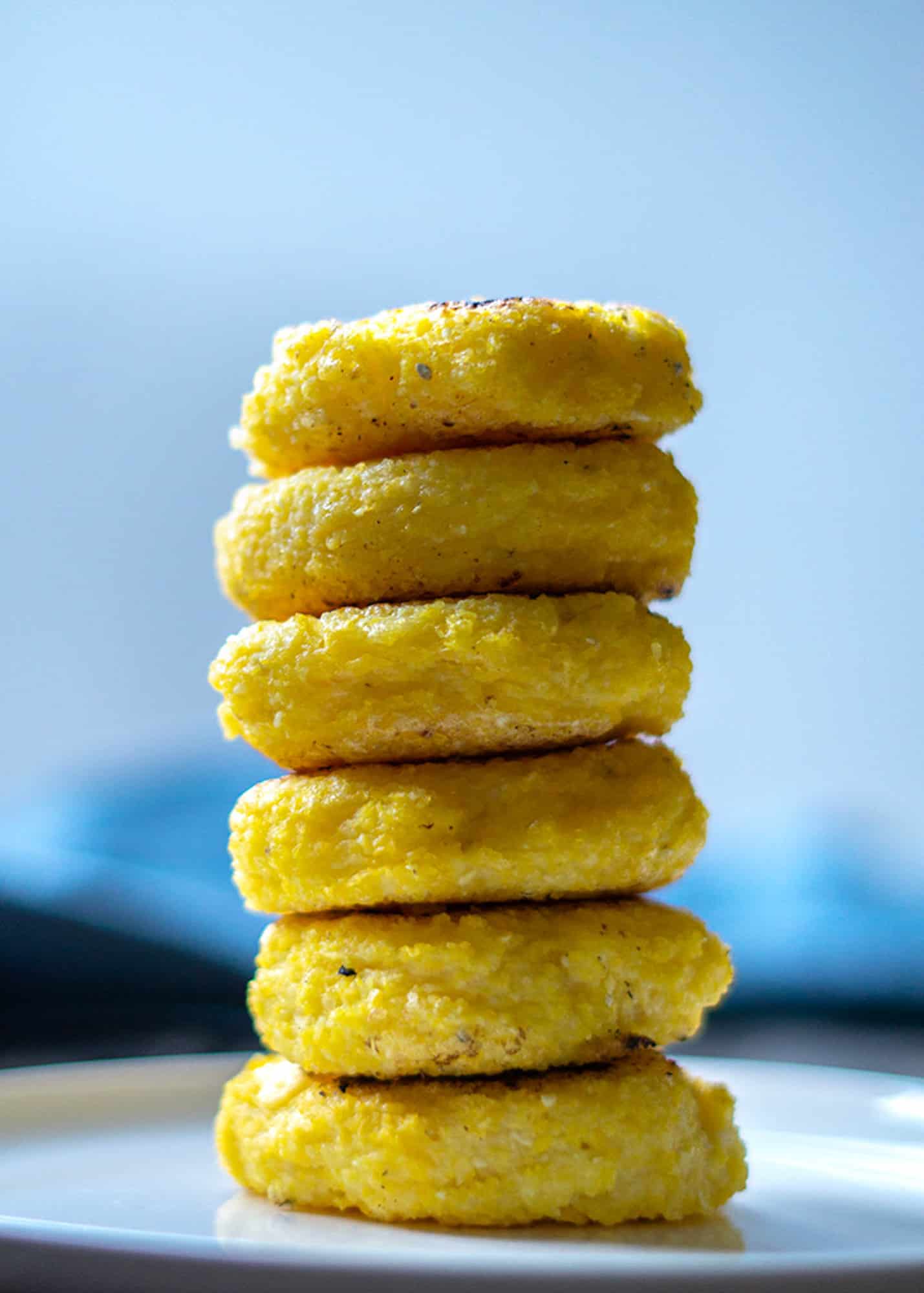
Two Ingredient Corn Patties

This recipe for Corn Patties was adapted from the Sioux Chef. I love using them as an alternative for white bread – try topping them with pesto, eggs, or smoked salmon.   When we think of traditional Indigenous foods on the West Coast our mind goes to salmon, seafood and berries. Corn was first harvested…

Read More

See More Indigenous Inspired Recipes→

rachelgreening.rd

Ts’msyen/La̱x Kw'alaams + 香港
Mama to Maaya'ol
Diabetes Dietitian
PhD: UBC Land and Food Systems
On Ts’msyen & Tla-o-qui-aht homelands

✨ GYETK PRE-SALE GIVEAWAY! ✨ To celebrate the upc ✨ GYETK PRE-SALE GIVEAWAY! ✨

To celebrate the upcoming release of Gyetk - meaning “to feed the people” - we’re giving away this beautiful traditional Ts’msyen feast spoon, hand-carved by @lagoot.sg 

To enter: 
 (1) Purchase the book before Sept 22nd (the book’s official release date). Don’t worry, if you have already pre-ordered (or purchased the book early) you are totally fine to enter. 

(2)  Email gyetkbook@gmail.com with proof of purchase - a picture of you with the book, or receipt. Multiple entries for multiple purchases are allowed! Just show proof of multiple copies of the book purchased. 

✨You can purchase from wherever you buy your books; we love supporting independent bookstores. Thank you all so much for supporting Gyetk and helping share Ts’msyen food traditions, knowledge, and stories.
It’s been a challenging last few years, but we did It’s been a challenging last few years, but we did it! Two doctoral dissertations between us, a traditional food systems cookbook on the way, and one beautiful baby girl. ❤️
We are very excited to officially share a glimpse We are very excited to officially share a glimpse of our upcoming cookbook - Gyetk: Coastal Fusion and Ancestral Knowledge from a Ts’msyen Kitchen. 

Gyetk, meaning “to feed the people,” is the product of our shared love of food and Ts’msyen (Tsimshian) culture. It is the culmination of our professional backgrounds, Rachel’s in dietetics and nutrition, Spencer’s in anthropology and traditional ecological knowledge, and our shared work in food sovereignty, combined with a year of harvesting our traditional seasonal round while on maternity leave with our little one.

While it is classified as a cookbook, we like to think of it as a traditional food systems book. An index of traditional foods shares cultural stories, laws and ethics surrounding harvesting, preparation techniques, and Indigenous food philosophies. It also features 60 beautifully photographed recipes, each centered on a traditional Ts’msyen harvest and its place within the broader food system.

The publication date is September 22, 2026, and we will be announcing a book tour soon. Thank you to everyone who helped bring this project to life. It truly was a labour of love.

You can pre-order it through your local independent bookstore or wherever books are sold.

Front cover: @davidrobertboxley 

Food Photography: @dlackenphotos 

Harvesting Shots: @troymoth @fossman8 @biancagermain 

Food fam, friends, and collaborators who have supported us throughout the project: Dai @fukasakupr, @celinetrojand @troymoth, Kim-Ly, @jennandbridge, @beangka.loren, @cameronhill21, @wagootmhaida, @chelseygeralda, @dr_leighjoseph_ethnobotanist, @skye.augustine, @connorgabbott.photo, @fionadevereaux, @hale_cassket, Halina Dickens, Rikki Dickens, Grandma Marie, and our publishers @quartobooksus 

#tsimshian #indigenousfoodsovereignty #pnw #hunting #fishing
Last year, while on maternity leave, my family and Last year, while on maternity leave, my family and I had the opportunity to really step into our seasonal harvesting rounds in our territory. This time also aligned with our contract to write a cookbook on Ts’msyen foods, something me and my husband @lagoot.sg have been working on together, rooted our combined work and research in Indigenous food sovereignty.

During this time, we were able to sit with Ts’msyen Elders and knowledge holders, and spend time diving deeper into our traditional food systems.  For nettles or steti, many shared about their medicinal properties and different ways they’re used. We also spoke at length about nettles as Indigenous technology, used in the harvesting of an array of foods. Some shared how nearby Nations had nettle gardens, not unlike how we understand forest gardens today.

This photo was taken last spring, when our baby girl was almost one. Such a special opportunity to be able to immerse her in our landscapes and traditional food systems. Photo by @troymoth
This was our second year being invited back to Tla This was our second year being invited back to Tla-o-qui-aht territory to support the youth seal harvest. As a seasoned hunter, Spencer has shared how fulfilling it is to mentor youth through the process. Over the four days, we made use of all parts of the seal — from heart tacos and fried liver to braided, stuffed intestines, braised meat dishes, and ribs. The youth also processed the blubber to make seal grease.

Managing seal populations plays an important role in supporting healthy salmon populations. Seal oil is also one of the richest natural sources of vitamin D, offering up to 3,000 IU per 100 grams.

I love how these photos truly reflect how, for Indigenous peoples, opportunities to engage  in our traditional food systems supports community wellbeing and cultural connection.
#indigenousfoodsovereignty #traditionalfoods
I always thought salmonberries (maḵ’ooxs) were nam I always thought salmonberries (maḵ’ooxs) were named so because their colours reflect led the diversity of salmon colours. Last month, after removing the skein around the eggs to jar them, I realized how much the eggs resemble salmonberries.

Salmon eggs are one of my favourite foods. I love them baked or panfried, so they are crispy on the outside and soft on the inside. So many people disregard them (and the heads, bellies, hearts, etc) in preference for salmon flesh. Nutritionally, they are much higher in omega-3 fatty acids compared to salmon flesh (known for anti-inflammatory, cognitive and cardioprotective benefits) AND being a majority phospholipid omega-3, it readily crosses the placenta. This makes fish eggs especially important for pregnant women, as these omega-3s are integral for building baby’s brain and supporting baby’s cognitive development. 

Does anyone else jar salmon eggs? I’m wondering about ways to retain their colour after jarring?
This time of year feels extra special - there is a This time of year feels extra special - there is a small window of summer where all these berries make an appearance at the same time. Salmonberries, red huckleberries, blueberries, thimbleberries, and cloudberries, perfect for a summer berry crisp 🥰
To my life partner in raising our daughter to be f To my life partner in raising our daughter to be firmly rooted in her values and culture, thank you for role modelling love, compassion, and humour. Happy Father’s Day ❤️ @lagoot.sg
Ha’lila̱xsi’ẅa̱h - The times of the oolichan has c Ha’lila̱xsi’ẅa̱h - The times of the oolichan has come and gone. I wanted to share these beautiful family photos from last month, harvesting on the Skeena by our good friend @troymoth. Maaya’ol’s first year oolichan dip netting was extra special, her dad @lagoot.sg made a traditional-style dip net using steam bend yew wood and hand woven cedar rope. The last few photos show the oolichans in the smokehouse and the result after 2 ½ days smoking. Half of the oolichans were done with a standard brine, and the other half with a Japanese brine shared by our friend Dai @fukasakupr - so delicious!
Earlier this month we got to spend time in Spencer Earlier this month we got to spend time in Spencer’s territory in a place called Laxkwidziidz, or “Clams Town.” It was important to us to harvest clams this year, for nourishment for Maaya’ol and to really embody what is means to live the seasonal rounds. Leading up to the trip, Spencer carved me a beautiful traditional digging stick, made of yew wood. Clam digging was led by women traditionally. I love thinking about how clams are so important for women’s health (being super high in iron), and how our act of harvesting actually increases the abundance of this important food source. Pictured, digging the late night low tide, Spencer cleaning clams in front of the cabin, beautiful butter clams or ts’a’ax, the traditional style clam digger, and Maaya’ol and her dad having a blast in Laxkwidziidz. Big thank you to @cameronhill21 and @evaannhill for helping to make this amazing trip happen, and keeping our bellies full.
One year ago I married the man of my dreams @lagoo One year ago I married the man of my dreams @lagoot.sg. A man who is thoughtful, intentional, lives his values, and shares a love for harvesting, cooking, and culture.

Since, our hearts have expanded further with the birth of our beautiful baby girl, Maaya’ol (sm’algyax for berry of the bears). She was given the Ts’msyen name łoom sts’ool (beaver swimming using only her tail). 

The last 8 months we’ve been living in Prince Rupert, harvesting as much as possible and rooting Maaya’ol in her home territory and family 💕

West coast harvesting photo by @biancagermain 
Wedding photo by @hashmark_photography_and_film 
Family photo by @georgielawson
Today is national diabetes day. I’ve worked in dia Today is national diabetes day. I’ve worked in diabetes care for the last 10 years, but only since working with the nuučaan̓uł (Nuu-chah-nulth) peoples have I really come to understand type 2 diabetes for Indigenous peoples as a condition resulting from intersecting and intergenerational factors, including, systemic racism, trauma, displacement, and removal from, and destruction of, traditional food systems.
Communities have shared the solutions to diabetes care lie in engaging whole families and kinship networks, prioritizing traditional healing and healers, and looking towards traditional food systems in their entirety (beyond just traditional food consumption). This video is of Ahousaht’s first diabetes retreat, with @nitanis Film by @kingtidefilms #nationaldiabetesday #indigenousfoods #indigenousfoodsovereignty
This past week, Spencer and I were invited to lead This past week, Spencer and I were invited to lead a seal harvest with Nuu-chah-nulth youth. Seal was once a very prominent food for coastal First Nations, but for some Nations it is no longer consumed. One Elder shared that he hasn’t tasted seal since the 1940s, another fellow remembered his last taste in the 1990s, while many folks had never tried seal.

Mentorship was built into the harvest, which was followed by 2 days of processing and preparing for a community feast. The youth learned how to use all parts of the seal, including saving the hide, making oil from the blubber, preserving meat in the pressure canner, scorching the flippers, preparing the organ meat for eating, and finally, cooking some accessible and tasty meals to feast, including vietnamese caramelized seal, seal with gravy, seal pastry, pulled-’seal’ sandwiches, seal tacos, BBQ seal ribs, and berries with seal grease.

Many people don’t realize that seals do a number on wild salmon populations, and the seal harvest helps to support wild salmon numbers. Seal is also incredibly nutritious, with the oil being rich in omega-3 fatty acids and one of the few food sources of vitamin D.

There was much joy and emotion with the bringing back of the seal harvest and food source. We hope, with time, seal will return as a prominent food source for our people. #indigenousfoodsovereignty #indigenousfood
Sharing a photo from yesterdays Lax Kw’alaams salm Sharing a photo from yesterdays Lax Kw’alaams salmon jarring event - in 3 hours almost 100 salmon were ready to be boiled!

I love how processing food brings out stories. Yesterday, stories were shared about the cannery days, where ppl came from all over the Coast (and world!) to work long shifts in 2 week cycles processing fish. It was a vibrant and social time for some, and the mixing of ppl would inevitably lead to ❤️. 

My parents met (indirectly) through cannery work. The cannery was an ideal workplace for new immigrants, including my mom, and drew in many Ts’msyen folks, including my auntie! I like to think that salmon brought me into this world, and it is salmon that will nourish me and my family (well beyond the physical sense) ongoing. 

Pictured here is Skeena sockeye (‘misoo’), jarred with the bones in and skin on! Nothing was wasted, the heads, tails and collars were saved for later use. #indigenousfoods #skeena
The Ahousaht hosted Island Indigenous Food Gatheri The Ahousaht hosted Island Indigenous Food Gathering in Tseshaht territory, the first Island Indigenous Food Gathering since 2018! Wow so amazing to see all these wonderful people come together, to share meals and discuss food sovereignty in their communities. Traditional foods for the feast were provided by local harvesters from Ahousaht, Tla-o-qui-aht, Hesquiaht, and Haida Gwaii. @nitanis and @art.napoleon facilitated the food trade event, and we traded some for some Ts’msyen Tacoma grown corn from @roseislandfarm. Josh Charleson led a herring smoking workshop, @qwustenuxun reminded us why as indigenous ppl, we must be able to continue to eat our traditional foods. @crystal.charlotte.1 captured the event through art. @dawn.morrison.798 led a strategy session in food sovereignty and emergency food planning. @lagoot.sg shared traditional halibut fishing techniques through story, and so many other amazing presenters, workshop hosts and volunteers. Thank you everyone for making it happen @nitanis @jessvicious_ @macknola @fionadevereaux
As I reflected on Christmas, and the commercialize As I reflected on Christmas, and the commercialized holiday it has become, I read Potlatch as Pedagogy by Haida authors Robert and Sarah Davidson. The Davidson’s shared how during the Potlatch Ban (when the Canadian government outlawed the potlatch ceremony from 1884 to 1951), Haida Elders kept their traditions alive through hosting Christmas feasts, as a way of hiding traditional celebrations from the Indian agents.

I am so grateful for being home for the holidays and the generosity of traditional foods from family and friends. Last night my belly was full of salmon eggs, seaweed, salmon, crab and my first seal meal. Here are some snaps from a pre-Christmas rainy 4 day duck hunt with @lagoot.sg. Marinated octopus salad with cauliflower and jalapeño, and cheesy braised duck mac and cheese by @connorgabbott.photo, and pro photos to come by @biancagermain 🙏🏽
How much thought do we put into deciding which par How much thought do we put into deciding which part of a species to eat, and which part to throw away? How many of us automatically assume sockeye is the most prestigious salmon, without giving the other 4 species in our waters a chance? What if we treated all parts - the head, the bones, the eggs, the skin - with the respect the species deserves? How would living these values play out in other areas of our lives?

Traditionally, for many First Nation's salmon eggs were prioritized for pregnant woman. Western science has caught up - we now know that the specific phospholipid form of DHA omega-3 fatty acids is highest in the rod of salmon... and it readily crosses the placenta making it an amazing brain food for baby. The heads are still cherished amongst many First Nation folks, especially Elders. Western science is now telling us that salmon heads are also high in phospholipid DHA omega-3 fatty acids, which may help protect against Alzheimer's disease. 

This was my first time enjoying the heads baked, thanks @lagoot.sg! I'm still dreaming of this meal. What are other ways of enjoying salmon head and roe?
Seagull Eggs / łgümedm g̱a̱guum are a coveted trad Seagull Eggs / łgümedm g̱a̱guum are a coveted traditional food for coastal First Nations. These ones were harvested by @lagoot.sg in Ts'msyen territory where his people have been harvesting bird and bird eggs for thousands of years. They are a special late Spring food, and when harvested and stored correctly can last months in a cool space. They are delicious with a rich yolky flavour, and to me taste a little salty like the sea.

These eggs are from seagulls who feed off shellfish and small fish. The eggs are likely much higher in omega-3 fatty acids than regular store-bought eggs, and higher in vitamin D. Both nutrients are important for keeping inflammation at bay, keeping our immune system strong, and for healthy bones and healthy minds. Our other traditional foods including salmon, seal and other sea mammals are extremely high in these nutrients.

This Seagull Egg Ginger Fried Rice was just that. Served with morrell mushrooms, sesame seeds and spring onion. It was a beautiful way to celebrate this special food. Has anyone  enjoyed łgümedm g̱a̱guum this year?
'ẅa̱h / oolichan / ooligan / hooligan This was 'ẅa̱h / oolichan / ooligan / hooligan 

This was my first season getting to experiment with these delicious oily fish. 

We experimented with frying in 4 different types of flour - regular flour, corn flour, corn starch, and spelt. Corn flour was the winner 👌🏽

The smoked 'ẅa̱h / oolichan caesar salad had shallots, garlic, parsley, lemon, smoked oolichans and olive oil in the dressing, with shredded oolichans on top. Lots of potential, looking forward to perfecting it @lagoot.sg 

#oolichan #skeena
Herring Roe On Kelp My mom’s Asian fusion on this Herring Roe On Kelp

My mom’s Asian fusion on this traditional Indigenous food. 

Ingredients
2 cups herring roe on kelp cut into 1-2" pieces
1-2 eggs
1-2 tsp soy sauce
1 tbsp olive oil

Instructions
Run it under cold water to remove the salty brine. You can keep tasting the roe to see if it is too salty. Alternatively, you can soak it for about 2-4 hours, changing the water once. The thicker the roe on the kelp, the longer you will need to soak it.

Cut the herring roe into 1 to 2-inch pieces. Set aside.

Whisk the egg with the soy sauce. Start with less soy sauce to start so it is not too salty.

Heat a frying pan over medium-high heat. Add the oil and let the oil heat. Dip the herring roe pieces into the egg mixture and then add to the frying pan in a single layer. You may need to do 2-3 batches. Cook for about 2-3 minutes.

Flip the roe over and cook for an additional 1-2 minutes on the other side. Check to see that the roe is cooked through - the roe should turn white and not be translucent. Serve with more soy sauce on the side.
Follow on Instagram

Copyright © 2026 Food is Medicine on the Cookd Pro Theme